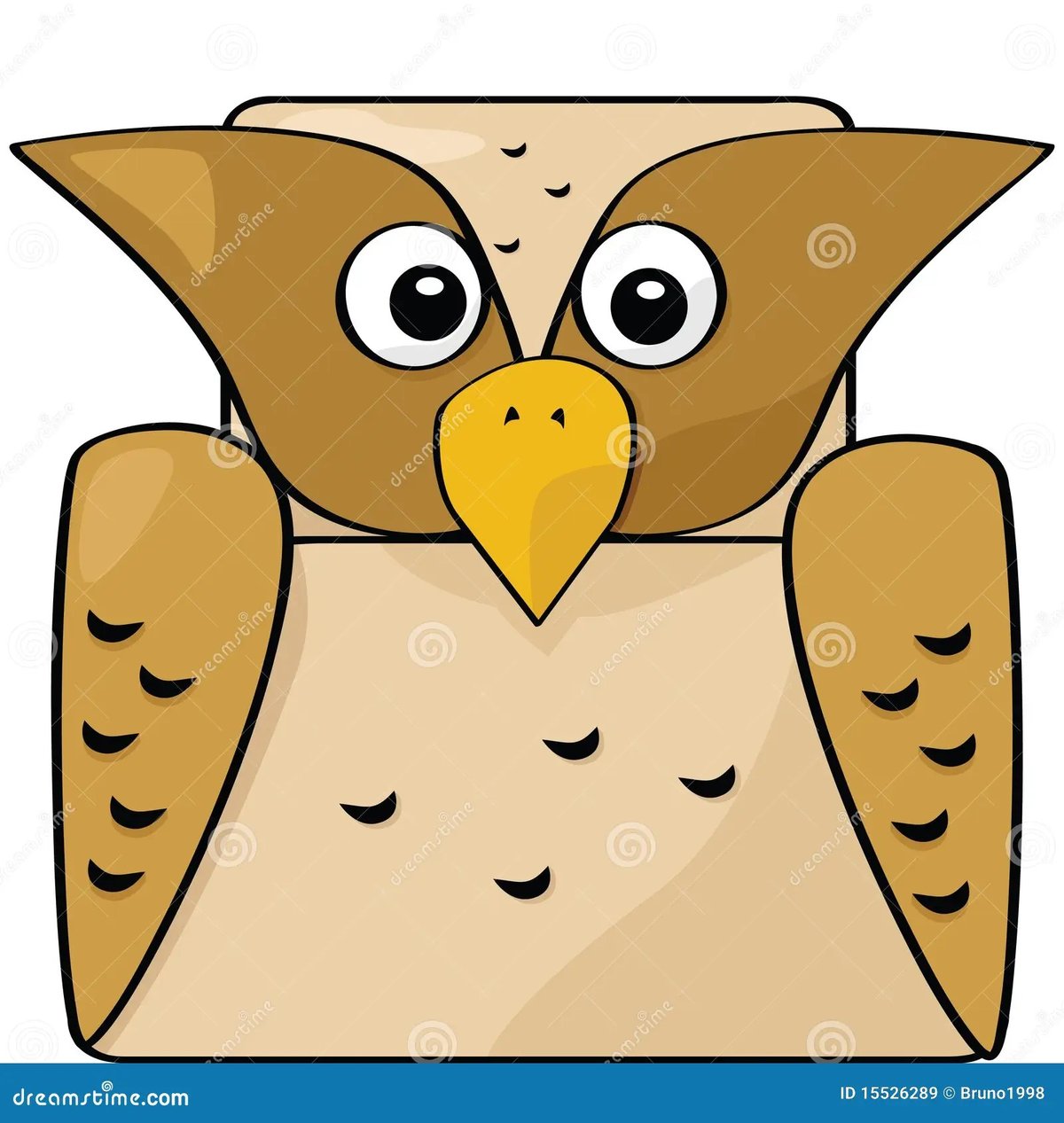
Cartoon Owl Art Styles & Visual Trends Influencing Today's Character Art
Cartoon owls are everywhere, from indie game mascots to viral social media stickers and beloved children’s book characters. But how did these feathered friends become such versatile muses, and what are the specific Cartoon Owl Art Styles & Visual Trends shaping their look today? If you're an artist, a designer, or simply someone captivated by these expressive creatures, understanding the current visual lexicon of cartoon owls isn't just fun – it's crucial for creating characters that resonate.
Forget the dusty old stereotype of the wise, spectacles-wearing owl; today's cartoon owls are rebels, adventurers, and adorable companions, each sporting a distinct aesthetic that reflects broader design currents. We're going to dive deep into the trends, the techniques, and the sheer creative joy behind the modern cartoon owl.
At a Glance: Key Takeaways for Cartoon Owl Trends
- Diversity is King: No single "owl style" dominates; instead, artists blend and adapt elements from various movements like Chibi, Minimalism, and traditional animation.
- Expressive Eyes Reign Supreme: The eyes are the primary canvas for personality, ranging from oversized and emotive to sleek and simple.
- Strategic Simplification: Modern designs often reduce complex features to core shapes, making owls instantly recognizable and versatile across platforms.
- Palette Power: Color choices are pivotal, shifting from classic earthy tones to vibrant, sometimes even neon, digital palettes.
- Technological Influence: Digital tools and platforms (like social media and casual games) are heavily shaping how owls are designed for maximum impact and shareability.
- Beyond Cuteness: While adorable, contemporary owls also embody quirkiness, mystery, and even a touch of punk attitude.
Why the Enduring Allure of the Cartoon Owl?
Before we dissect the visual trends, let's ponder why owls, specifically, have such a stronghold on our imaginations when it comes to character design. It’s not just their inherent "wisdom" often projected onto them. Owls possess a unique blend of traits that make them perfect cartoon subjects:
- Distinctive Silhouette: Their large heads, short necks, and compact bodies create an immediately recognizable shape that's easy to stylize.
- Expressive Eyes: Those prominent, forward-facing eyes are a goldmine for conveying emotion, from wide-eyed wonder to stern disapproval.
- Built-in Personality: The natural mystery, nocturnal habits, and calm demeanor of real owls lend themselves to a spectrum of character archetypes, from the scholarly to the mischievous.
- Feather Texture: While often simplified, the idea of soft, layered feathers offers creative opportunities for visual interest.
This combination makes them incredibly adaptable. Whether you're aiming for a cuddly companion or a formidable forest guardian, an owl provides an excellent starting point.
Deconstructing Today's Dominant Owl Art Styles
The world of cartoon owls is far richer than a single "cute" category. Artists pull from a vast toolkit of styles, each offering a unique flavor. Let’s break down some of the most influential.
The Adorable & Expressive: Chibi and Kawaii Owls
Perhaps the most universally appealing, the Chibi and Kawaii styles emphasize cuteness above all else. Think oversized heads, tiny bodies, big, sparkling eyes, and minimal details.
- Key Characteristics:
- Proportions: Head is often 1/2 or 1/3 of the total body height. Limbs are stubby, if present at all.
- Eyes: Gigantic, highly reflective, often with multiple highlights to convey innocence and charm. Eye whites are prominent.
- Mouth: Usually a tiny line, a small "W" shape, or completely absent, letting the eyes do all the talking.
- Color: Bright, often pastel, or highly saturated. Simple, flat colors are common, with minimal shading.
- Expression: Maxed-out emotions – extreme joy, wide-eyed surprise, or playful mischief.
- Why It Works for Owls: The owl's naturally round head and large eyes are a perfect fit for Chibi aesthetics, amplifying their inherent cuteness. Their compact form easily translates to the squat, adorable Chibi body.
- Practical Tip: To achieve this, start with a large circle for the head and a much smaller oval for the body. Exaggerate eye size and add tiny, simple feet. Don't overthink feather details – suggest them with simple curves or just use a smooth shape.
Sleek & Modern: Minimalist and Geometric Owls
Moving away from overt cuteness, this style embraces simplicity, clean lines, and often geometric forms. It’s about distilling the owl to its most essential elements, creating designs that are often iconic and highly scalable.
- Key Characteristics:
- Shapes: Relies heavily on circles, triangles, and rectangles. Wings might be simple triangles, bodies perfect ovals.
- Line Work: Ultra-clean, consistent line weight, or often lineless.
- Color: Limited palettes, often two or three complementary colors. Gradients can be used subtly.
- Detail: Bare minimum. Features like feathers or talons are suggested, not explicitly drawn. Sometimes, eyes are just dots or simple shapes.
- Overall Feel: Sophisticated, contemporary, often used for logos, app icons, or sleek branding.
- Why It Works for Owls: An owl's natural symmetry and distinct shapes (round head, often heart-shaped face) lend themselves well to geometric simplification. This style strips away clutter, focusing on the essence of "owl."
- Practical Tip: Begin by sketching the owl using only basic geometric shapes. Overlay a new layer and refine the lines, ensuring they are perfectly smooth and consistent. Consider designing a lineless version where shapes meet precisely.
Dynamic & Bold: Traditional Animation and Comic Book Owls
These styles are all about movement, strong character, and a narrative feel. Influenced by classic cartoons and graphic novels, these owls often have more detailed anatomies (albeit still exaggerated) and clear, expressive actions.
- Key Characteristics:
- Line Work: Varying line weight to suggest depth and form. Often bold outlines reminiscent of ink-and-paint animation.
- Proportions: More realistic than Chibi, but still highly exaggerated for comedic or dramatic effect. Think long legs, massive wingspans, or highly articulated expressions.
- Color: Full spectrum, often with clear cell-shading (flat areas of color with distinct shadows) or halftone patterns for a comic feel.
- Action Poses: Designed with movement in mind. Owls might be mid-flight, perched dynamically, or reacting emphatically.
- Facial Expressions: Capable of a wide range of human-like emotions, thanks to more detailed eyes, brows, and mouths.
- Why It Works for Owls: This style allows for character depth. An owl can be a grumpy old wizard, a sassy sidekick, or a heroic lead, all conveyed through dynamic posing and rich expressions.
- Practical Tip: Study classic animation principles like squash and stretch. When sketching, push the poses beyond what seems "normal" to convey emotion or action. Pay attention to how shadows define form and movement.
Whimsical & Storybook: Illustrative and Painterly Owls
This category encompasses owls found in children’s books, editorial illustrations, or fantastical digital paintings. The emphasis is on texture, atmosphere, and a handcrafted feel.
- Key Characteristics:
- Texture: Often incorporates visible brush strokes, crayon textures, paper grains, or digital equivalents that mimic traditional media.
- Line Work: Can range from soft, sketchy lines to no lines at all, relying on color and value shifts. Lines might be hand-drawn and imperfect.
- Color: Rich, often muted or earthy palettes, but can also be vibrant and fantastical. Blended colors and subtle gradients are common.
- Detail: Varies. Some are highly detailed, showcasing individual feathers; others suggest details with abstract marks.
- Overall Feel: Dreamy, charming, nostalgic, often evokes a sense of wonder or narrative.
- Why It Works for Owls: Their natural feather texture and forest habitat make owls ideal subjects for styles that play with organic forms and atmospheric qualities. These owls feel like they've stepped right out of a tale.
- Practical Tip: Experiment with digital brushes that mimic watercolor, gouache, or colored pencils. Focus on layering colors and textures to build depth. Think about the environment your owl inhabits and how it influences the color and light.
Edgy & Quirky: Goth, Steampunk, and Indie Aesthetic Owls
For those who like their owls with a bit more attitude, these niche styles offer darker, more intricate, or wonderfully strange interpretations. They're often found in subcultures, indie games, or alternative art scenes.
- Key Characteristics:
- Goth/Dark: Limited, often monochromatic palettes (blacks, grays, deep purples). Sharp angles, dramatic expressions, perhaps skeletal elements or glowing eyes. Focus on mystery and solemnity.
- Steampunk: Incorporates mechanical elements like cogs, gears, goggles, brass plating. Often has a distressed, sepia-toned palette with metallic accents. Owls might have robotic wings or clockwork eyes.
- Indie/Offbeat: Often characterized by unusual color combinations, slightly "off" proportions, hand-drawn roughness, or a sense of whimsical melancholy. It's about breaking conventions.
- Why It Works for Owls: The owl's natural mystique makes it a fantastic canvas for darker or more inventive themes. Its association with night, wisdom, and hunting adds to its appeal for these edgier styles.
- Practical Tip: For Goth, think about strong silhouettes and negative space. For Steampunk, research Victorian machinery and integrate elements naturally, as if they're functional parts of the owl. For Indie, don't be afraid to experiment with "imperfect" lines or unexpected color clashes.
Digital Dominance: Pixel Art and Lo-Fi Owls
With the rise of retro gaming aesthetics and minimalist digital media, pixel art and lo-fi styles have seen a resurgence, bringing unique constraints and charms to cartoon owls.
- Key Characteristics:
- Pixel Art: Created pixel by pixel, often with a limited color palette. Every square matters. Details are implied through dithering or strategic color placement.
- Lo-Fi: Emulates older technology, often with degraded quality, limited colors, scan lines, or VHS-style effects. Can also refer to intentionally simple, unpolished digital art that feels handmade.
- Overall Feel: Nostalgic, charmingly simple, often optimized for small screens or specific digital contexts.
- Why It Works for Owls: Their distinctive shape translates well to simplified, blocky forms. Pixel art owls are fantastic for game sprites or small icons, while lo-fi owls can evoke a cozy, vintage digital vibe.
- Practical Tip: When designing pixel owls, start with a low-resolution canvas. Focus on the core silhouette and distinguishing features. For lo-fi, consider adding subtle noise, color banding, or a limited palette to mimic older hardware.
Visual Trends Shaping Owl Design Today
Beyond specific art styles, several overarching visual trends influence how cartoon owls look, irrespective of whether they're Chibi or minimalist.
Color Palettes: From Earthy Tones to Neon Pops
The colors you choose set the entire mood for your owl.
- Natural Evolution: While traditional owls often feature browns, grays, and creams, contemporary artists are pushing boundaries.
- Vibrant & Expressive: Expect to see owls in unexpected hues:
- Pastels: Soft blues, pinks, mint greens for a gentle, friendly feel.
- Neons & Brights: Bold purples, electric blues, hot pinks for energetic, playful, or even futuristic characters.
- Limited Palettes: Often a sophisticated choice, using 2-4 carefully selected colors to create harmony and impact. This is particularly popular in minimalist and app-icon styles.
- Gradient Play: Smooth transitions between colors add depth and a modern touch, especially in digital illustrations.
- Decision Criteria: Consider your owl's personality and its intended environment. A forest guardian might lean towards muted, natural tones, while a magical companion could burst with vibrant, unnatural colors.
Line Work: Clean, Sketchy, or Non-Existent
The way you define your owl's edges is critical to its character.
- The Power of the Outline:
- Crisp & Consistent: Dominant in modern flat design and vector art, creating a clean, polished look. Think app icons or infographic elements.
- Dynamic & Varied: Found in animation and comic styles, where line thickness changes to suggest weight, light, or distance. This adds a handmade, energetic feel.
- Sketchy & Textured: Deliberately imperfect lines, often with a pencil or crayon feel, convey warmth, whimsy, or a handcrafted aesthetic. Common in storybook illustrations.
- Lineless: A sophisticated approach where shapes are defined purely by color and value, without any outlines. This requires strong understanding of form and color theory.
- Practical Tip: Experiment with different brush tools in your digital art software (or physical media). Try drawing the same owl with a sharp pen, a soft pencil, and then completely without lines to see how the character shifts.
Textural Play: Adding Depth and Personality
Texture adds tangibility and interest, even to simplified forms.
- Subtle Suggestions: Even if you're not drawing every feather, hints of texture can elevate your owl.
- Grain & Noise: Adding a subtle overlay of digital "noise" or a paper texture can give lineless art a less sterile, more organic feel.
- Feather Indications: Simple overlapping curves or strategic color shifts can suggest feathered layers without drawing individual barbs.
- Material Mimicry: If your owl has clothing or accessories, using textures to mimic fabric, metal, or wood grounds them in reality.
- Why It Matters: Texture stops a character from looking flat and generic. It gives the viewer something more to "feel" and interact with, even if just visually.
Expressive Eyes: The Soul of the Cartoon Owl
As mentioned, the eyes are paramount. They are where most of the owl's emotion and personality reside.
- Beyond Dots:
- Oversized & Reflective: Common in Chibi and cute styles, with multiple highlights for maximum sparkle and innocence.
- Geometric & Minimal: Simple circles, ovals, or even triangles that convey alertness without intricate detail. Often seen in modern, minimalist designs.
- Slanted & Squinted: Expressing mischief, skepticism, or concentration.
- Pupil Power: The size and shape of the pupil (or absence thereof) can drastically alter expression. Large pupils might mean curiosity; tiny ones, fear or anger.
- Brow Magic: Even if an owl doesn't have "eyebrows" in the traditional sense, the shape of the feathery area above the eyes can act as brows, conveying furrowed concentration or relaxed contentment.
- Practical Tip: Draw a single owl body and then sketch dozens of different eye combinations on top. See how dramatically the character changes with just a shift in eye shape, pupil size, or highlight placement.
Accessorizing Your Avian Friend: Props and Context
No character exists in a vacuum. Props, clothing, and background elements significantly enhance a cartoon owl's narrative and visual appeal.
- Giving Them a "Job": A tiny chef's hat, a pair of glasses, a backpack, or a magical staff instantly tells a story about the owl.
- Contextual Clues: Is your owl sitting on a branch, holding a cup of tea, or flying through a star-filled sky? These choices define its world.
- Breaking the Mold: Traditional owls are wise. What if yours wears a leather jacket and rides a skateboard? Accessories are powerful tools for subverting expectations and creating unique personalities.
- Brand Integration: For commercial use, props can naturally integrate branding elements or symbolize product features without being overly overt.
Remember, every decision, from the curve of a feather to the choice of color, contributes to the overall style and impact of your cartoon owl. When considering your next character, take inspiration from these trends and then twist them to make something uniquely yours. You can really get a sense of how varied these interpretations can be by taking a look at a range of cartoon of an owl examples.
Crafting Your Own Iconic Cartoon Owl: A Mini-Guide
So, you’re inspired. Now how do you translate these trends into your own unique cartoon owl?
1. Start with a Core Personality (or Problem)
Before you draw a single line, ask yourself: Who is this owl?
- Is it a grumpy professor?
- A shy forest spirit?
- A mischievous prankster?
- A space-faring adventurer?
The personality dictates the pose, expression, and even the style. If you're designing for a specific game or story, what problem does this owl face, or what role does it play? An owl designed to teach children might be round and friendly, while one guarding an ancient secret could be angular and stern.
2. The Power of Proportions: Exaggerate Wisely
Proportion is your most potent tool for establishing style.
- Head Size: Large heads = cuteness, youth, innocence. Smaller heads = maturity, seriousness.
- Eye Size: Massive eyes = wonder, emotion. Small eyes = cunning, focus.
- Body Shape: Round bodies = cuddly, plump. Thin bodies = agile, elegant.
- Wing/Legs: Tiny, vestigial limbs = simplified. Large, detailed wings = dynamic, powerful.
Don't be afraid to push these boundaries. That's what makes a cartoon an effective character. Explore our collection of owl cartoons for inspiration on how different proportions tell different stories.
3. Simplify for Impact: Less is Often More
Modern design often favors clarity. How can you convey "owl" with the fewest possible lines or shapes?
- Essential Features: What makes an owl an owl? Typically, large eyes, a small beak, and a distinct head shape.
- Strip Away Detail: You don't need every feather. Suggest them. You don't need intricate talons. Use simple claws.
- Geometric Base: Even if your final style isn't geometric, starting with circles, ovals, and triangles can help you simplify the underlying form.
4. Balance Realism and Exaggeration
The magic of cartooning lies in finding the sweet spot between what's recognizable and what's creatively twisted.
- Know Your Source: Understand real owl anatomy (e.g., how their feathers lay, how their eyes work) even if you're going to break all the rules. This knowledge informs how you exaggerate effectively.
- Pick Your Battles: Decide which features to keep realistic and which to stretch. Maybe the body is simple, but the eyes are highly detailed. Or the colors are wild, but the form is quite natural. This selective exaggeration defines your unique style. A good exercise is to look at various cartoon owl depictions and see what elements each artist chose to emphasize.
5. Choosing Your Medium and Tools
Your choice of medium profoundly impacts the final look.
- Digital Dominance: Software like Procreate, Clip Studio Paint, Adobe Fresco, or Photoshop allows for incredible flexibility with lines, colors, and textures. Vector programs (Illustrator, Affinity Designer) are ideal for clean, scalable, minimalist designs.
- Traditional Charm: Don't underestimate the appeal of pencil, ink, watercolor, or gouache. These lend an immediate warmth and handcrafted feel that digital often tries to emulate.
- Mix and Match: Many artists sketch traditionally and then color digitally, or use digital tools to add texture to traditional scans.
Common Questions & Misconceptions About Cartoon Owl Art
Is one style "better" than another?
Absolutely not. "Better" is subjective and context-dependent. A minimalist owl is perfect for an app icon but might feel too sparse for a detailed storybook. A highly textured, painterly owl might be too complex for a pixel art game. The best style is the one that most effectively communicates your owl's personality and serves its purpose.
How do I find my own unique style for drawing cartoon owls?
Finding your style is an ongoing journey, not a destination.
- Study & Copy (for learning): Analyze styles you love. What makes them unique? Try to draw an owl in that style to understand the techniques. Do not publish these copies.
- Experiment Relentlessly: Mix elements from different styles. What happens if you give a Chibi owl minimalist eyes? What if a geometric owl has sketchy lines?
- Draw A LOT: The more you draw, the more your hand and brain will develop consistent patterns and preferences.
- Seek Feedback: Share your work and ask for constructive criticism.
- Look Beyond Owls: Take inspiration from other animal cartoons, character designs, architecture, or even fashion.
Are cartoon owls still trendy, or is it a passing fad?
Owls have been a consistent motif in art and storytelling for centuries. While specific styles and visual trends will ebb and flow (e.g., ultra-cute Chibi might give way to more angular, edgy designs), the inherent appeal of the owl as a character archetype ensures its longevity. They are versatile, relatable, and visually distinct, making them a perennial favorite for artists and audiences alike. The ongoing popularity across media, from children's animation to adult merchandise, confirms they're far from a "fad." Their enduring presence continues to inspire artists to create diverse owl cartoons.
Looking Ahead: The Evolving Hoot of Creativity
The world of cartoon owl art is a vibrant, ever-changing landscape. What's clear is that the simple, often wise, bird has transcended its traditional image to become a multifaceted character capable of embodying nearly any emotion or narrative.
The key to creating impactful cartoon owl art isn't just mastering a specific style, but understanding the visual language of trends, knowing when to adhere to them, and when to bravely break away. Experiment with those huge, expressive eyes, play with those unexpected color palettes, and remember that even the simplest lines can convey profound personality.
So, grab your stylus or your pencil, and let your imagination take flight. The next iconic cartoon owl might just be waiting to emerge from your sketchbook. Don't be afraid to lean into exaggeration, embrace diverse styles, and infuse your unique voice into every feather. You'll find a wealth of ideas and visual cues when you explore our full range of cartoon owls.