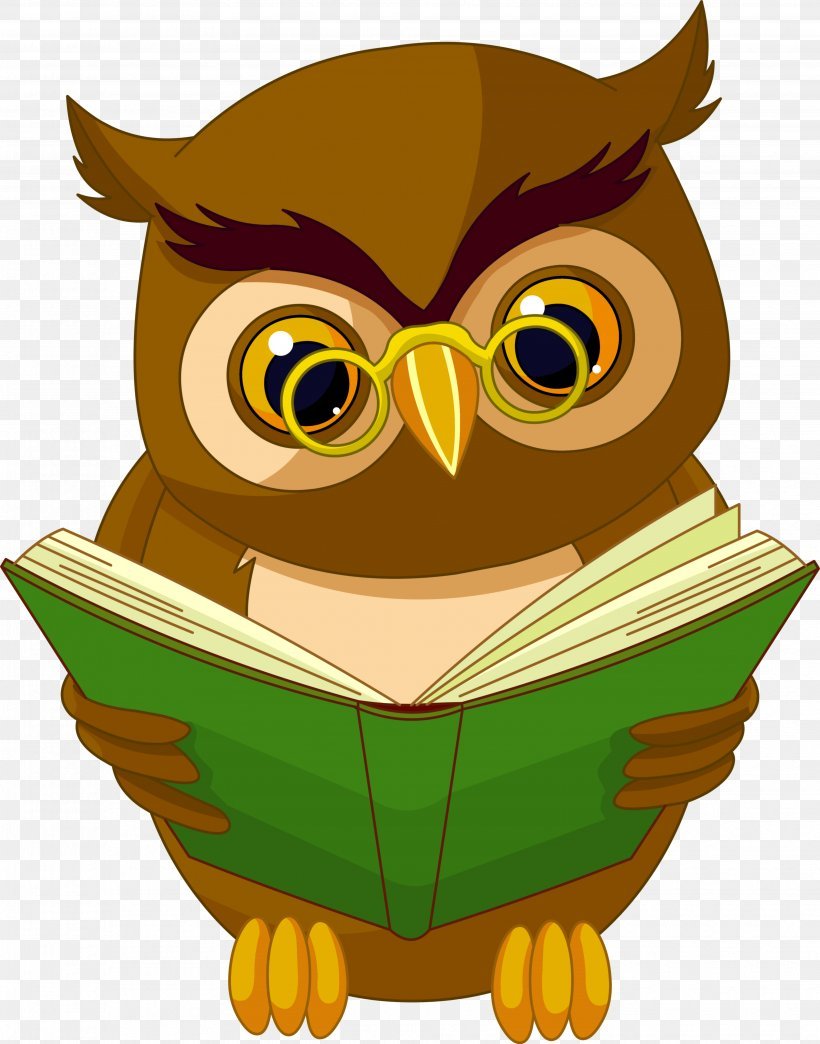
The hoot of a cartoon owl often signals more than just the passing of night; it frequently ushers in a moment of wisdom, a dose of sarcasm, or even a twist of villainy. Cartoon Owl Animation & Storytelling isn't just about drawing a creature with big eyes and feathers; it's about leveraging deep-seated symbolism and inherent animal traits to craft characters that resonate, surprise, and ultimately, move narratives forward in profound ways.
These animated avian figures are far more than feathered exposition machines. They are guides, tricksters, heroes, and even cosmic evils, shaping stories that defy simple archetypes.
At a Glance: Crafting Compelling Cartoon Owls
- Beyond the Stereotype: While often wise, the most impactful cartoon owls transcend mere fact-delivery, embodying wisdom through presence or subverting expectations entirely.
- Real-Life Roots: Silent flight, head rotation, and intense eyes of real owls inspire compelling character design and dramatic potential.
- "Wisdom" by Design: Animators use visual cues (big eyes, posture), voice acting (measured tones), and plot utility to establish an owl's intelligence or perceived wisdom.
- Diverse Archetypes: From the sage mentor (Friend Owl) to the sarcastic academic (Archimedes) and the immortal villain (Clockwerk), owls fill a vast spectrum of narrative roles.
- Emotional Depth: Modern storytelling uses owls to explore complex themes like emotional intelligence, obsession, and unwavering protection.
- Storytelling Shortcut: Owls serve as efficient "shortcuts to meaning," quickly conveying character traits or narrative purpose to an audience.
The Enduring Allure: Why Cartoon Owls Captivate Our Imaginations
Why do owls hold such a singular place in our animated universes? The answer lies in a powerful confluence of cultural symbolism and fascinating real-world biology. For centuries, owls have been perceived as symbols of wisdom, mystery, and the unseen forces of the night. Their nocturnal nature, silent flight, and penetrating gaze imbue them with an "old-soul energy" that instantly signals depth and knowledge. Animators tap into this rich historical tapestry, using owls as an immediate visual shortcut to convey complex ideas.
But it’s not just ancient lore at play. Real-life owl traits—their almost supernatural head rotation, their piercing predator eyes, and their incredibly silent flight—offer a treasure trove of design inspiration. These characteristics naturally lend themselves to compelling, distinct character animation, suggesting a creature that observes, understands, and moves with purpose, often unseen. This dual inheritance of myth and biology makes cartoon owls inherently interesting, setting them apart from many other animal characters.
Beyond the "Wise Old Owl" Stereotype: Crafting Nuance
The image of the "wise old owl" is practically etched into our collective consciousness. Cartoons have historically leaned into this, making owls sagacious characters for four key reasons:
- Design Language: Those large, unblinking eyes and often still, upright posture naturally suggest a creature that observes and reflects, implying knowledge.
- Voice Casting: Often, animators pair these designs with an older, measured voice, reinforcing the perception of wisdom and experience.
- Plot Utility: A wise owl can conveniently deliver lore or critical information without it feeling random or forced, serving as a narrative device that propels the story.
- Comedic Contrast: The very expectation of wisdom can be delightfully subverted for humor, creating an evergreen joke where a "wise" owl turns out to be a pompous windbag, not quite as smart as they seem.
However, the most effective owl characters don't just possess facts; they embody wisdom through their presence. Think less about an owl spouting statistics and more about one whose quiet demeanor, thoughtful responses, or even just observant silence conveys a deeper understanding of the world. This approach moves beyond a simple knowledge dump to a character whose wisdom feels earned and authentic.
Mastering Owl Design: From Silent Flight to Expressive Eyes
Bringing an owl to life in animation requires a thoughtful balance between realism and caricature. Understanding and selectively exaggerating real-life owl traits can elevate a design from generic to iconic.
Leveraging Real-Life Traits for Dynamic Character
- Silent Flight: This elegant, almost magical quality can be translated into an owl character’s stealth, grace, or even an air of mystery. Imagine a character like Longclaw from Sonic the Hedgehog, whose powerful yet quiet flight underscores her guardian role.
- Head Rotation: Owls can rotate their heads up to 270 degrees. This unique ability is a goldmine for animators, allowing for incredible comedic timing (a slow, unnerving turn) or dramatic emphasis (a sudden snap of attention). It communicates a level of awareness and perception unlike any other creature.
- Predator Eyes: Those large, forward-facing eyes are designed for acute vision. In animation, they become windows to the owl's soul, capable of conveying intense focus, gentle compassion, or even intimidating menace. The design of characters like Clockwerk from Sly Cooper leverages these predatory eyes to make him genuinely chilling.
Crafting Character Through Design Language
Beyond mimicry, animators use specific design choices to imbue their owl characters with personality and purpose.
- Exaggerated Eyes: While large eyes suggest knowledge, varying their shape and expression can convey a spectrum of emotions—from Archimedes' perpetual exasperation to Friend Owl's gentle concern.
- Posture and Stance: A regal, upright posture might signal authority, while a slightly slouched or hunched stance could imply a more academic, introspective nature.
- Feather Texture and Color: Soft, fluffy feathers often convey warmth and approachability, suitable for maternal figures like Big Mama. Sharper, more angular feathers or darker color palettes can suggest a more serious, cunning, or even villainous character. Rowlet, for example, combines cute, soft features with hints of a more predatory "owl archer" evolution.
- Subtle Gestures: Since owls don't have hands, animators often rely on subtle wing movements, head tilts, and eye glances to express a character's internal state. This forces creativity and often leads to more sophisticated, less overt acting.
To truly appreciate the diversity and ingenuity of these designs, you can explore our owl cartoon collection. It's a testament to how animators transform nature into narrative.
Archetypes in Owl Storytelling: A Gallery of Feathers
Cartoon owls fill a remarkably diverse range of roles, often challenging the "wise old owl" cliché even while starting from it. Let's look at some memorable examples that illustrate this breadth.
The Sage and Gentle Mentor
This archetype embodies traditional wisdom, offering guidance without judgment.
- Friend Owl (Disney’s Bambi, 1942): The quintessential forest uncle, Friend Owl offers subtle advice on love and life, representing a calm, steady presence in a sometimes-overwhelming world. His wisdom is delivered gently, a natural part of the forest's rhythm.
- Big Mama (The Fox and the Hound, 1981): A maternal truth-teller, Big Mama doesn't just impart facts; she embodies emotionally real life wisdom. She understands the harsh realities of the forest and guides Tod with a tough love born of experience.
- Mr. Owl (Franklin): As Franklin's patient and kind teacher, Mr. Owl represents wisdom without ego. He's a consistent, nurturing presence, guiding young characters through learning and social dilemmas with empathy.
- Longclaw (Sonic the Hedgehog): A more modern take, Longclaw is a protective, mythic guardian. Her design is more realistic, lending her an ancient, powerful aura that speaks of a deeper, inherent wisdom tied to protecting the innocent.
The Academic and Sarcastic Intellect
These owls are smart, sometimes to a fault, often bringing a sharp wit or a touch of arrogance to their intelligence.
- Professor Owl (Adventures in Music short "Melody"): An enthusiastic music teacher, Professor Owl makes complex music theory engaging and accessible. He's wise in an academic sense, sharing knowledge with passion rather than just dry facts.
- Archimedes (The Sword in the Stone, 1963): Merlin’s sarcastic academic sidekick, Archimedes is famously smarter than everyone else and isn't afraid to show it, or at least be openly frustrated by others' lack of it. His wisdom is sharp, intellectual, and often humorous.
The Comedic Windbag and Stereotype Subversion
Sometimes, an owl's perceived wisdom is purely for comedic effect, poking fun at the very stereotype.
- Owl (Winnie the Pooh): This Owl is "wise" primarily due to his immense confidence and long-winded storytelling, not necessarily his accuracy. He's a lovable, bumbling character whose self-importance provides endless comedic relief, gently satirizing the idea of unquestioned wisdom.
- Mr. Know It Owl (Tootsie Pop commercial): A smug professor who comically fails his own "how many licks" experiment due to temptation. Here, "wisdom" is a punchline, highlighting the human (or in this case, owl) flaw of giving in to desire.
The Unexpected Hero, Villain, or Mechanical Marvel
Not all owls are wise mentors. Some break the mold entirely, offering surprising narrative turns.
- Rowlet (Pokémon): An owl-inspired Pokémon, Rowlet resembles a barn owl. Its evolution into an "owl archer" highlights both cute, approachable aspects and a more predatory, skilled side, demonstrating versatility in character development.
- Screech (The Incredibles 2): A superhero archetype, Screech is impressive and powerful, rather than wise. He’s a demonstration of how an owl's natural stealth and nocturnal abilities can be reinterpreted for action and excitement.
- Clockwerk (Sly Cooper): A chilling robotic owl villain, Clockwerk embodies immortal obsession, weaponized jealousy, and a patient, long-game evil. His design leverages the predatory aspects of an owl, transforming a symbol of wisdom into a terrifying emblem of enduring malice.
- Bubo (Clash of the Titans): This charming mechanical sidekick is iconic despite not speaking. Bubo proves that an owl character can be a beloved, resourceful companion whose intelligence is shown through action and loyalty, rather than words.
- X the Owl (Mister Rogers’ Neighborhood): X represents emotional intelligence, helping children name and understand their feelings. His wisdom isn't academic; it's about empathetic guidance and self-discovery.
These varied examples demonstrate that animators use our owl cartoon collection for more than just a quick visual gag; they're crafting complex, memorable figures. For more visual inspiration, our owl cartoon collection offers a broad look at various styles and narrative functions.
Crafting Authentic Owl Narratives: Beyond Just Facts
The secret to a compelling cartoon owl lies in making them integral to the story's fabric, not just a convenient plot device. This means focusing on how they contribute, rather than simply what they know.
Showing, Not Telling, Wisdom
Instead of having an owl simply state a moral or a solution, let their actions, their observations, or their quiet reactions convey their understanding. A knowing look, a deliberate pause, or a subtle gesture can speak volumes more than a lengthy exposition. For example, Friend Owl's advice in Bambi is always understated, allowing Bambi to learn and grow from experience rather than just being told what to do.
Using Owls for Emotional Depth
Owls, with their often serious demeanor, can be excellent conduits for emotional depth. They can serve as anchors in chaotic situations, empathetic listeners for struggling characters, or even represent an internal moral compass. X the Owl from Mister Rogers’ Neighborhood is a prime example of an owl used to explore emotional intelligence, making complex feelings relatable for young audiences.
Subverting Expectations for Impact
The established stereotype of the wise owl is a powerful tool for subversion. A seemingly wise owl who is actually a bumbling fool (Winnie the Pooh's Owl) or a terrifying villain (Clockwerk) creates immediate intrigue and memorable characters. This unexpected twist can generate humor, tension, or a deeper exploration of themes like vanity or obsession.
Integrating Their Environment and Abilities into Character
An owl's natural habitat (a deep forest, an ancient library, a clock tower) and abilities (silent flight, keen eyesight, powerful talons) should inform their character. A forest-dwelling owl might be attuned to nature's rhythms, while a library owl might be a keeper of ancient texts. Integrating these elements grounds the character and makes them feel more authentic. This rich history is evident when you browse our owl cartoon collection, seeing how artists have interpreted this iconic bird.
Common Pitfalls in Owl Character Creation (and How to Avoid Them)
While cartoon owls offer immense potential, it's easy to fall into common traps that can make them less impactful.
- Being Too Generic: An owl character that's simply "wise" without any other distinguishing traits or flaws can become bland. Give your owl quirks, a unique voice, or a specific type of wisdom (e.g., emotional, academic, street smart).
- Missing Opportunities for Irony: The "wise owl" stereotype is ripe for comedic or dramatic irony. Don't be afraid to challenge it. What if the wisest owl is actually terrible at practical tasks? Or what if the most scholarly owl has profound emotional blind spots?
- Making Them Pure Exposition Dumps: While owls can deliver lore, relying on them solely for exposition can make them feel like plot devices rather than living, breathing characters. Integrate their knowledge into the story's fabric, showing its impact rather than just stating it. Allow other characters to interact with and react to their wisdom.
- Ignoring Real-Life Inspiration: Overlooking the incredible biological traits of owls—their unique head movements, silent flight, or piercing gaze—misses opportunities for distinct animation and character quirks that can make an owl truly stand out.
- Lack of Emotional Arc: Even a wise character needs to grow or face challenges. Does their wisdom ever fail them? Do they learn new kinds of understanding? A character, even an omniscient-seeming one, should evolve.
Your Next Story: Animating Owls with Purpose and Personality
As you embark on creating your next animated owl character, consider these steps to ensure they rise above cliché and leave a lasting impression:
- Define Their Core Wisdom (or Lack Thereof): Is your owl truly wise, or do they just think they are? Is their wisdom academic, emotional, practical, or mystical? Pinpointing this will guide their dialogue, actions, and even their design.
- Identify Their Unique Flaw or Quirk: No compelling character is perfect. Perhaps your wise owl is incredibly forgetful, prone to napping at critical moments, or has a secret love for bad puns. Flaws make characters relatable and interesting.
- Consider Their Visual Language: How will their design reflect their personality? Will their eyes be large and empathetic, or narrow and suspicious? Will their feathers be sleek or ruffled? Think about their posture and signature movements.
- How Do They Show, Not Tell? Brainstorm specific scenarios where your owl can demonstrate their intelligence or character traits through action, reaction, or subtle expression, rather than just dialogue.
- Place Them in the Narrative Strategically: Are they a mentor, a comedic foil, a villain, or an unexpected hero? Ensure their role serves the larger story arc, challenging conventions where appropriate.
Ready to delve deeper into these feathered friends? Explore our owl cartoon collection for more inspiration and to see how different artists have brought these magnificent creatures to life.
A Last Word on Lasting Impressions
Cartoon owls endure in our stories because they offer an efficient and evocative shortcut to meaning. From ancient myth to modern animation, they consistently deliver impact, whether as guiding lights, exasperating academics, or unexpected antagonists. By understanding both the ingrained symbolism and the boundless potential for subversion, animators can continue to craft owl characters that are not just wise, but truly unforgettable. Their silent flight through our imaginations is a testament to the power of thoughtful Cartoon Owl Animation & Storytelling.